stroke 第2页
Next Page-
A moderately high intake of dietary cholesterol or consumption of up to one egg per day is not assoc
A new study from the University of Eastern Finland shows that a moderately high intake of dietary cholesterol or consumption of up to one egg per day
-
Eating foods that contain vitamin C, such as oranges, papaya, peppers, broccoli and strawberries, may reduce your risk of stroke, a new study has foun
-
Green tea and coffee may help lower the risk of having a stroke, especially when both are a regular part of the diet.
-
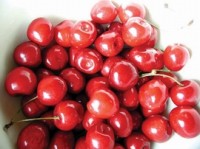
According to new studies, tart cherries could also have surprising new benefits – helping support strong bones and reducing stroke-related complicatio
-
Some common practices, naturally, include a combination of diet and exercise, but let's focus on the former right now and talk about eight power foods
-
A study published in Neurology shows that the total level of antioxidants in people’s diets may not protect against stroke or dementia.
-
Low levels of vitamin D may be associated with a ‘markedly higher’ risk of heart attack and early death, according to new research.
-
A study published in Neurology shows that eating tomatoes and tomato-based foods may be associated with a lower risk of stroke.
-
Heart disease is the number one cause of death globally. By 2030, almost 23.6 million people will die from heart disease and stroke estimates the Worl
-
A new meta-analysis that questioned the heart health benefits of omega-3s is ‘flawed’ and could deter consumers from taking fatty acid supplements and